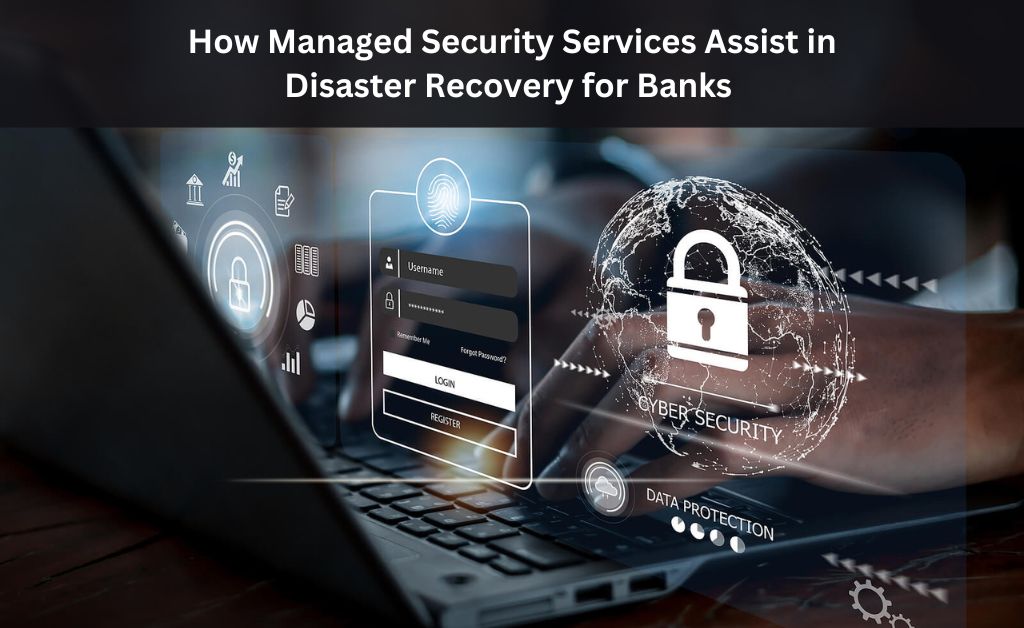
How Managed Security Services Assist in Disaster Recovery for Banks


In the fast-paced world of banking, security and resilience are paramount. Managed Security Services (MSS) play a critical role in disaster recovery, ensuring that banks can quickly recover from unexpected events while maintaining the trust of their customers.

Comprehensive Threat Detection
Managed Security Services provide banks with comprehensive threat detection capabilities. These services monitor network activities round-the-clock, identifying and mitigating potential threats before they can cause significant damage. By leveraging advanced technologies and expert analysis, MSS help banks stay ahead of cybercriminals, ensuring that potential breaches are addressed promptly.

Rapid Incident Response
When disaster strikes, every second counts. MSS offer rapid incident response, deploying teams of cybersecurity experts to address breaches and other security incidents swiftly. This immediate response minimizes downtime and data loss, enabling banks to maintain their operations and continue serving their customers with minimal interruption.

Data Backup and Recovery Solutions
Data integrity is crucial in banking. MSS include robust data backup and recovery solutions, ensuring that critical information is regularly backed up and can be restored quickly in the event of a disaster. These solutions are tailored to meet the specific needs of banks, ensuring that all sensitive data is protected and can be recovered efficiently.

Regulatory Compliance
Banks operate under strict regulatory requirements. Managed Security Services assist banks in maintaining compliance by providing thorough documentation and reporting. This ensures that banks not only recover quickly from disasters but also meet all regulatory obligations, avoiding potential fines and reputational damage.

Continuous Improvement
MSS providers offer continuous improvement in security measures. By analyzing past incidents and constantly updating their strategies, MSS help banks strengthen their security posture over time. This proactive approach reduces the likelihood of future disasters and enhances the overall resilience of the bank’s IT infrastructure.

Conclusion
In conclusion, Managed Security Services are indispensable for banks in ensuring robust disaster recovery. They provide comprehensive threat detection, rapid incident response, effective data backup, regulatory compliance, and continuous improvement, all of which are crucial for maintaining the security and resilience of banking operations.

Thanks and Regards,
Priya – IARM Information Security
Managed Security Services
|| Outsource Cybersecurity Services || Outsource Security Experts
Revolutionizing Healthcare Cybersecurity Staffing Through Regular Progress Reviews


In the ever-evolving landscape of healthcare cybersecurity, staying ahead of potential threats is paramount. As a leading cybersecurity outsourcing company, our flexible cybersecurity staffing services aim to revolutionize the way healthcare organizations approach their security needs. One key strategy that sets us apart is the implementation of regular progress reviews.

The Importance of Cybersecurity in Healthcare

Healthcare organizations handle sensitive patient information, making them prime targets for cyber threats. A breach in security not only jeopardizes patient data but also poses risks to the overall functioning of healthcare systems. To combat these challenges, our cybersecurity staffing services offer a comprehensive solution, ensuring that healthcare facilities are well-protected against potential cyberattacks.

Enhancing Efficiency Through Flexible Staffing

Our approach to healthcare cybersecurity staffing revolves around flexibility. We understand that the cybersecurity landscape is dynamic, with threats constantly evolving. Our team of skilled professionals is ready to adapt to the changing needs of healthcare organizations, providing the necessary expertise to safeguard critical systems and data.

Regular Progress Reviews: A Game-Changing Approach

Implementing regular progress reviews is a key component of our cybersecurity staffing services. These reviews serve as checkpoints to assess the effectiveness of the cybersecurity measures in place and identify areas for improvement.

  1. Assessing Current Security Measures

During progress reviews, our team conducts a thorough evaluation of the existing cybersecurity infrastructure. This involves analyzing the effectiveness of firewalls, encryption protocols, and access controls to ensure that they align with industry best practices.

  1. Monitoring Threat Landscape Changes

The cybersecurity landscape continually evolves, characterized by the emergence of new threats on a regular basis. Regular reviews allow us to stay abreast of the latest developments in cyber threats, ensuring that our cybersecurity staffing services are equipped to handle evolving challenges.

  1. Ensuring Compliance with Regulations

Healthcare organizations must comply with strict data protection regulations. Our progress reviews include an assessment of compliance with industry standards, helping healthcare facilities avoid legal implications and reputational damage.

The Ongoing Evolution of Cybersecurity

By incorporating regular progress reviews into our cybersecurity staffing services, we empower healthcare organizations to adapt to the ever-changing cybersecurity landscape. Our commitment to flexibility ensures that our clients receive the support they need, precisely when they need it.

In conclusion, our revolutionary approach to healthcare cybersecurity staffing, coupled with regular progress reviews, establishes a proactive defense against cyber threats. As a trusted cybersecurity outsourcing company, we are dedicated to enhancing the security posture of healthcare organizations, safeguarding patient data and preserving the integrity of critical systems. Contact us today for a free consultation on Cybersecurity staffing services.

Thanks and Regards,

Priya – IARM Information Security

Cybersecurity outsourcing services || Outsource Cyber Security Services to India || cybersecurity staffing company

5 Signs Your Healthcare Endpoint Security Needs an MSSP Upgrade


In the fast-evolving landscape of healthcare, ensuring the security of sensitive patient data is paramount. With cyber threats becoming more sophisticated, relying solely on traditional endpoint security may leave your healthcare organization vulnerable. Here are five signs that indicate your healthcare endpoint security might need an upgrade with Managed Security Services (MSSP). 

1. Increasing Cyber Threats: 

As the healthcare sector becomes a prime target for cybercriminals, the frequency and sophistication of attacks are on the rise. If your organization is experiencing a surge in cybersecurity incidents, it’s a clear signal that your current endpoint security measures might not be robust enough. An MSSP can provide advanced threat detection and response capabilities to stay ahead of evolving cyber threats. 

2. Lack of In-House Expertise: 

Healthcare IT teams often face challenges in keeping up with the rapidly changing cybersecurity landscape. If your organization lacks dedicated cybersecurity experts or struggles to stay current with the latest threat intelligence, partnering with an MSSP can fill this gap. Managed security service Providers bring specialized knowledge and experience to enhance your healthcare endpoint security without the need for an extensive in-house team. 

3. Compliance Concerns: 

Healthcare organizations must adhere to strict regulatory requirements, such as HIPAA, to protect patient information. If maintaining compliance is a constant challenge or a source of concern, an MSSP can assist with regulatory compliance services. MSSPs specialize in understanding and implementing security measures to ensure your healthcare organization meets industry-specific regulations. 

4. Endpoint Security Gaps: 

Traditional endpoint security solutions may leave gaps in protection, especially against advanced threats. If you notice vulnerabilities or weaknesses in your current endpoint security, it’s time to consider MSSP’s endpoint security services. MSSPs provide comprehensive protection, including real-time threat monitoring, threat intelligence, and rapid incident response, mitigating the risk of breaches. 

5. Resource Constraints: 

Limited budget and resources can hinder the effectiveness of in-house cybersecurity efforts. MSSPs offer a cost-effective solution by providing a scalable and tailored approach to your healthcare endpoint security needs. This allows your organization to benefit from advanced security measures without straining your budget or overburdening internal resources. 

In conclusion, the healthcare industry faces unique cybersecurity challenges that demand a proactive and comprehensive approach. Upgrading your healthcare endpoint security with Managed Security Services can address these challenges, providing a robust defense against evolving cyber threats while ensuring regulatory compliance. Don’t wait until a breach occurs – take the necessary steps to protect your organization and the sensitive data it handles. 

Thanks and Regards, 

Priya – IARM Information Security 

Managed Security Services in india || Managed Cyber Security Services in india || Managed Security Service Provider in india 

7 Ways Managed Security Services Enhance Healthcare IT Resilience


In the dynamic realm of healthcare IT, safeguarding patient data and critical operations is a top priority. Managed security services, a cornerstone in the defense against sophisticated cyber threats, offer a robust framework to enhance the resilience of healthcare IT infrastructure. Let’s explore seven pivotal ways in which managed security services contribute to fortifying the security posture of healthcare organizations.

  1. Proactive Threat Monitoring and Detection

At the forefront of managed security services is their ability to provide proactive threat monitoring and detection. This involves employing advanced tools and technologies to scrutinize the healthcare IT environment in real-time. By embedding vigilant monitoring from the outset, potential threats are identified swiftly, allowing security experts to intervene before they escalate.

  1. Rapid Incident Response

In the unfortunate event of a security breach, the swiftness of response is critical. Managed security services enable healthcare organizations to mount a rapid and coordinated response. From assessing the nature of the incident to containment and remediation efforts, the seamless coordination facilitated by these services minimizes the impact of security incidents and expedites the restoration of normal IT operations.

  1. Compliance Management

Ensuring compliance with regulatory standards, such as the Health Insurance Portability and Accountability Act (HIPAA), is a constant imperative in healthcare. Managed security services integrate compliance management as a core function. Regular audits and assessments, embedded within the service, guarantee adherence to regulatory standards, minimizing legal and financial risks.

  1. Vulnerability Management

Identifying and addressing vulnerabilities is a proactive measure against potential security breaches. Managed security services incorporate comprehensive vulnerability management solutions, including assessments and patch management. This proactive approach fortifies healthcare organizations against cyber threats, embedding resilience into the very fabric of their IT security posture.

  1. Security Awareness Training

Human error continues to be a prominent contributing factor in cybersecurity incidents. Managed security services address this by offering security awareness training programs. Embedded within these programs are best practices, security protocols, and insights into emerging threats. This proactive educational approach creates a workforce capable of recognizing and effectively responding to potential security threats.

  1. Network Security Optimization

Securing the intricate networks of healthcare IT requires a multifaceted approach. Managed security services embed network security optimization, encompassing firewalls, intrusion detection systems, and encryption technologies. By fortifying perimeter defenses and monitoring network traffic, these services embed resilience against unauthorized access and data breaches.

  1. Disaster Recovery and Business Continuity

In the face of unforeseen events, such as natural disasters or cyber attacks, maintaining business continuity is imperative. Managed security services seamlessly integrate disaster recovery and business continuity planning. From data backups to failover systems, these embedded strategies ensure the availability and integrity of critical data, embedding resilience in the healthcare organization’s response to adverse events.

In conclusion, from the inception to the culmination of healthcare IT resilience strategies, managed security services play a pivotal role. By embedding proactive monitoring, rapid response capabilities, compliance management, vulnerability mitigation, security awareness training, network optimization, and disaster recovery planning, these services form a comprehensive shield against evolving cyber threats, ensuring the security and continuity of healthcare IT operations.

Thanks and Regards,

Priya – IARM Information Security

Managed Security Services in India || Managed Cyber Security Services in India || Managed Security Service Provider in India

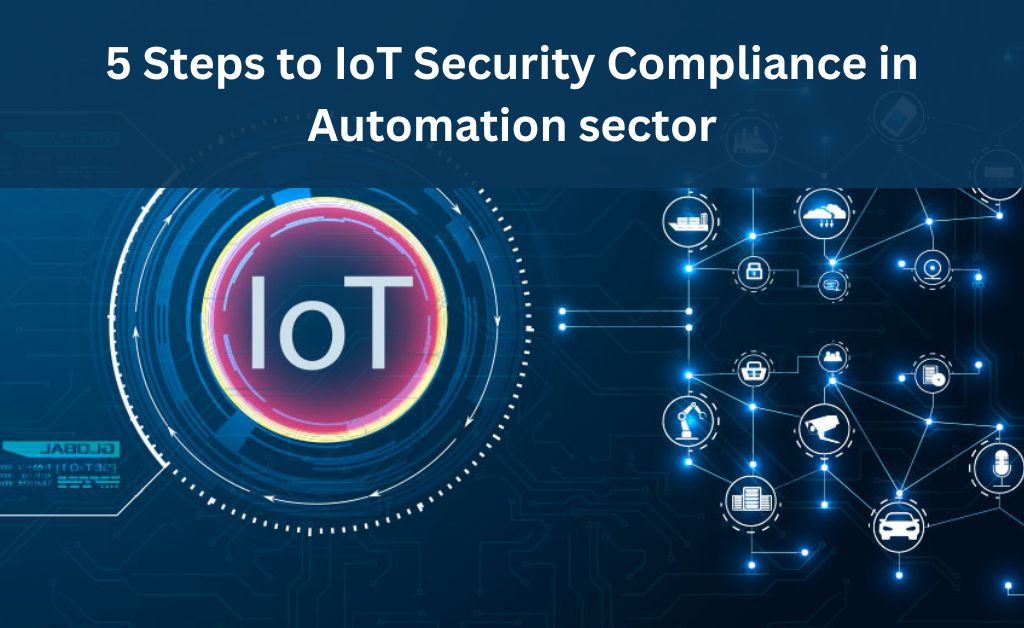
5 Steps to IoT Security Compliance in Automation sector


In the rapidly evolving landscape of the automation sector, the integration of Internet of Things (IoT) devices has become ubiquitous. While these connected devices bring efficiency and convenience, they also pose significant security challenges. To navigate this landscape successfully, businesses must prioritize IoT security compliance. In this article, we outline five essential steps to ensure robust security measures in the automation sector, with a focus on embedded system security services

1. Conduct a Comprehensive Risk Assessment 

Before implementing any security measures, it’s crucial to conduct a thorough risk assessment specific to your automation environment. Identify potential vulnerabilities in your network, systems, and connected devices. Consider the impact of a security breach on your operations and the potential consequences. This assessment lays the foundation for a tailored security strategy. 

2. Implement Robust Authentication and Authorization Protocols 

Embedded system security services play a pivotal role in establishing secure authentication and authorization mechanisms. Ensure that each device connected to your automation network undergoes stringent authentication processes to verify its legitimacy. Implement strong authorization protocols to control access levels, preventing unauthorized entities from tampering with critical systems. This step is vital in safeguarding sensitive data and maintaining the integrity of your automation processes. 

3. Encrypt Data End-to-End 

Data transmission is a vulnerable point in any network, making encryption a non-negotiable aspect of IoT security compliance. Utilize state-of-the-art encryption algorithms to secure data as it travels between devices and systems. Implement end-to-end encryption to protect data at every stage of its journey. This not only safeguards sensitive information but also ensures the privacy and confidentiality of communications within your automation ecosystem. 

4. Regularly Update and Patch Systems 

Security vulnerabilities evolve over time, and it’s imperative to stay ahead by keeping your systems updated. Regularly apply software updates, patches, and firmware upgrades to address known vulnerabilities. Automated systems, especially those in the automation sector, should be equipped with embedded system security services that facilitate seamless and secure updates. This proactive approach minimizes the risk of exploitation by malicious actors seeking to take advantage of outdated software. 

5. Monitor and Respond to Anomalies in Real-Time 

Deploy advanced monitoring systems that continuously track the behavior of devices and network traffic. Implement anomaly detection algorithms that can identify irregular patterns or suspicious activities. Automated responses, triggered by predefined security protocols, can mitigate potential threats in real-time. Incorporating embedded system security services with intrusion detection capabilities enhances your ability to respond promptly to security incidents, minimizing downtime and potential damage. 

Conclusion 

In the dynamic and interconnected world of automation, prioritizing IoT security compliance is not only a regulatory requirement but a critical business imperative. By conducting thorough risk assessments, implementing robust authentication measures, encrypting data, maintaining system updates, and monitoring for anomalies, businesses in the automation sector can fortify their defenses against evolving cyber threats. Embrace embedded system security services to ensure a comprehensive and tailored approach, safeguarding the integrity and reliability of your automated processes. 

Thanks and Regards, 

Priya – IARM Information Security 

cybersecurity for embedded systems || Cybersecurity Embedded system || Cybersecurity in embedded systems 

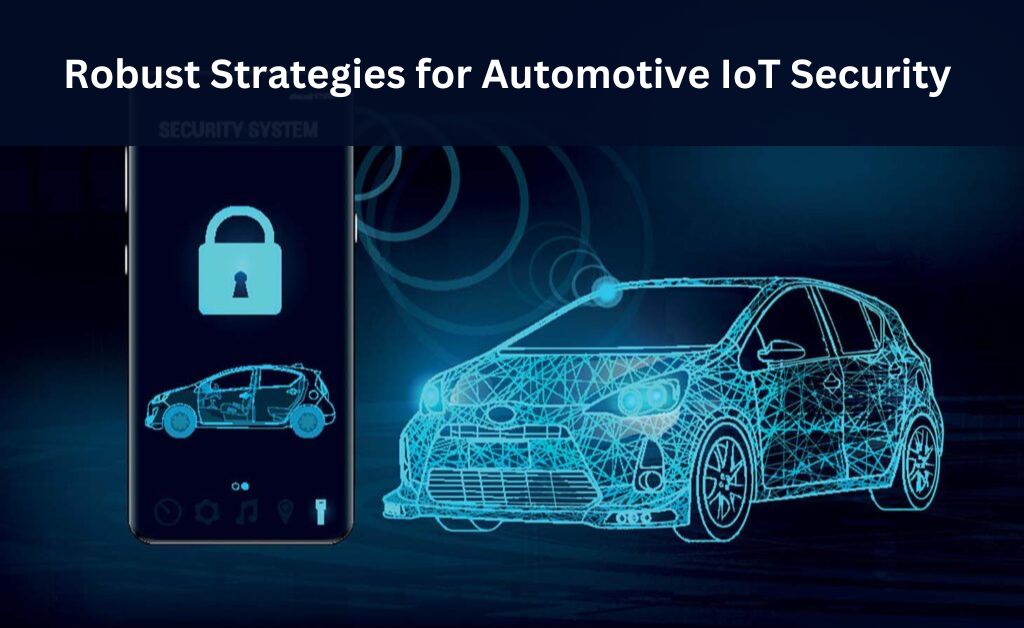
Robust Strategies for Automotive IoT Security 


Introduction 

In the swiftly advancing domain of automotive technology, the integration of the Internet of Things (IoT) has ushered in unparalleled connectivity and convenience. Nevertheless, this heightened connectivity also presents substantial cybersecurity challenges, particularly concerning Cybersecurity Embedded systems. Implementing resilient strategies for automotive IoT security is imperative to safeguard vehicles from potential cyber threats in the context of embedded systems.

1.Understanding the Threat Landscape 

As vehicles become increasingly connected through embedded systems, the threat landscape expands. Cybersecurity embedded systems play a pivotal role in securing automotive IoT. These systems serve as the first line of defense against malicious attacks that could compromise vehicle safety and privacy. 

2.Securing Communication Protocols 

One key strategy involves fortifying communication protocols within automotive IoT networks. Encrypted communication channels and robust authentication mechanisms are crucial elements in preventing unauthorized access. Cybersecurity embedded systems must be designed to continuously monitor and analyze network traffic, promptly identifying any anomalies that may indicate a potential security breach. 

3.Firmware and Software Security 

Another critical aspect of automotive IoT security is ensuring the integrity of firmware and software. Regular updates and patches should be deployed to address vulnerabilities and enhance the overall security posture. The implementation of secure coding practices in the development phase is vital to create a resilient foundation against cyber threats. 

4.User Authentication and Authorization 

Effective user authentication and authorization mechanisms are essential in preventing unauthorized access to vehicle systems. Cybersecurity embedded systems should implement multi-factor authentication to enhance user identity verification. Additionally, strict authorization policies ensure that only authorized personnel can access sensitive functionalities within the vehicle’s IoT ecosystem. 

5.Intrusion Detection and Response 

In the dynamic realm of automotive IoT, it’s essential to deploy intrusion detection and response systems. These systems continuously monitor for unusual activities and respond swiftly to potential threats. Cybersecurity embedded systems should be equipped with advanced algorithms that can detect patterns indicative of malicious behavior, enabling rapid response and mitigation. 

6.Vehicle-to-Everything (V2X) Security 

As vehicles communicate not only with internal systems but also with external entities in V2X scenarios, securing these communications becomes paramount. Cybersecurity embedded systems should employ robust encryption algorithms to protect data exchanged between vehicles and infrastructure. Additionally, implementing secure V2X authentication protocols ensures the trustworthiness of communication partners. 

Conclusion 

In conclusion, safeguarding automotive IoT systems requires a multi-faceted approach that addresses various aspects of cybersecurity. Cybersecurity embedded systems are at the forefront of this defense, ensuring the integrity, confidentiality, and availability of connected vehicles. By focusing on communication protocols, firmware and software security, user authentication, intrusion detection, and V2X security, automotive manufacturers can establish robust strategies to mitigate the evolving threat landscape. As the automotive industry continues to embrace IoT, prioritizing cybersecurity is not just a necessity but a fundamental responsibility to ensure the safety and security of vehicles and their occupants. 

Thanks and Regards, 

Priya – IARM Information Security 

embedded system security services || Cybersecurity in embedded systems || cybersecurity for embedded systems 

Comprehensive Risk Mitigation: 8 Features that Make SOC Monitoring Essential


In today’s dynamic cyber landscape, safeguarding your organization is paramount. Discover how SOC as a service, provided by a leading SOC service provider, can elevate your security posture.

Introduction:

In the ever-evolving realm of cybersecurity, organizations face an increasing array of threats. From sophisticated cyberattacks to data breaches, the risks are diverse and potent. To fortify your defenses, adopting a SOC as a service becomes imperative.

1. Proactive Threat Detection:

SOC monitoring services excel in proactive threat detection. By leveraging advanced tools and real-time analysis, they identify and neutralize potential threats before they escalate.

2. Rapid Incident Response:

Time is of the essence during a security incident. A SOC as a service company ensures swift and precise incident response, minimizing the impact and limiting potential damage.

3. 24/7 Monitoring:

Cyber threats don’t adhere to a 9-to-5 schedule. A reliable SOC service provider offers round-the-clock monitoring, providing continuous protection against evolving threats.

4. Customized Security Policies:

Every organization has unique security needs. SOC as a service allows for the development and implementation of tailored security policies to address specific vulnerabilities.

5. Threat Intelligence Integration:

Stay ahead of the curve with SOC monitoring services that integrate threat intelligence. This enables organizations to anticipate and prepare for emerging threats.

6. Scalability:

As your organization grows, so do your security requirements. A SOC as a service company offers scalable solutions, ensuring that your security infrastructure evolves alongside your business.

7. Compliance Assurance:

Meeting industry regulations is a non-negotiable aspect of cybersecurity. SOC as a service providers assist in maintaining compliance, preventing potential legal and financial repercussions.

8. Continuous Training and Improvement:

The cybersecurity landscape is in constant flux. A SOC service provider ensures that your team is well-trained and up-to-date with the latest security protocols, fostering a culture of continuous improvement.

Conclusion:

SOC monitoring is not just a security measure; it’s a strategic imperative. Partnering with a SOC as a service company equips your organization with the tools and expertise needed to navigate the complex cybersecurity landscape effectively.

What Industry 4.0 Demands: SOC Monitoring in Manufacturing


Explore the imperative role of SOC Monitoring in Manufacturing for Industry 4.0. Discover how SOC as a service, delivered by expert SOC service providers, meets the evolving cybersecurity demands of modern manufacturing.

Unraveling Industry 4.0 and SOC Monitoring

In the era of Industry 4.0, where manufacturing embraces digital transformation, Security Operations Center (SOC) Monitoring becomes indispensable. This blog delves into the crucial role of SOC Monitoring in meeting the cybersecurity demands of modern manufacturing.

Embracing SOC Monitoring in Manufacturing

1. Continuous Threat Surveillance

SOC Monitoring ensures continuous threat surveillance across manufacturing processes, detecting potential cyber threats in real-time and preventing disruptions to production.

2. Proactive Defense Strategies

Utilizing SOC as a Service, manufacturing industries gain access to proactive defense strategies. Specialized SOC service providers employ advanced tools and expertise to stay ahead of evolving cyber threats.

3. Integration with Smart Technologies

As Industry 4.0 incorporates smart technologies, SOC Monitoring seamlessly integrates with these systems. This integration ensures the security of interconnected devices and data in the manufacturing ecosystem.

4. Rapid Incident Response

SOC Monitoring facilitates rapid incident response, minimizing the impact of cybersecurity incidents on manufacturing operations. Immediate detection and response contribute to maintaining production efficiency.

5. Compliance and Data Protection

SOC as a Service ensures manufacturing compliance with industry regulations. This strategy safeguards sensitive data, mitigates legal risks, and fosters a secure environment for Industry 4.0 operations.

The Role of SOC as a Service Providers

Specialized SOC as a service companies play a pivotal role in delivering SOC Monitoring services tailored to the unique challenges of manufacturing. Their industry-specific knowledge, advanced tools, and 24/7 monitoring capabilities align with the demands of Industry 4.0.

Conclusion

In conclusion, the integration of SOC Monitoring is essential for manufacturing to thrive in the era of Industry 4.0. The adoption of SOC as a Service, facilitated by expert SOC service providers, empowers manufacturers to navigate the complexities of modern cybersecurity demands, ensuring a secure and resilient digital future.

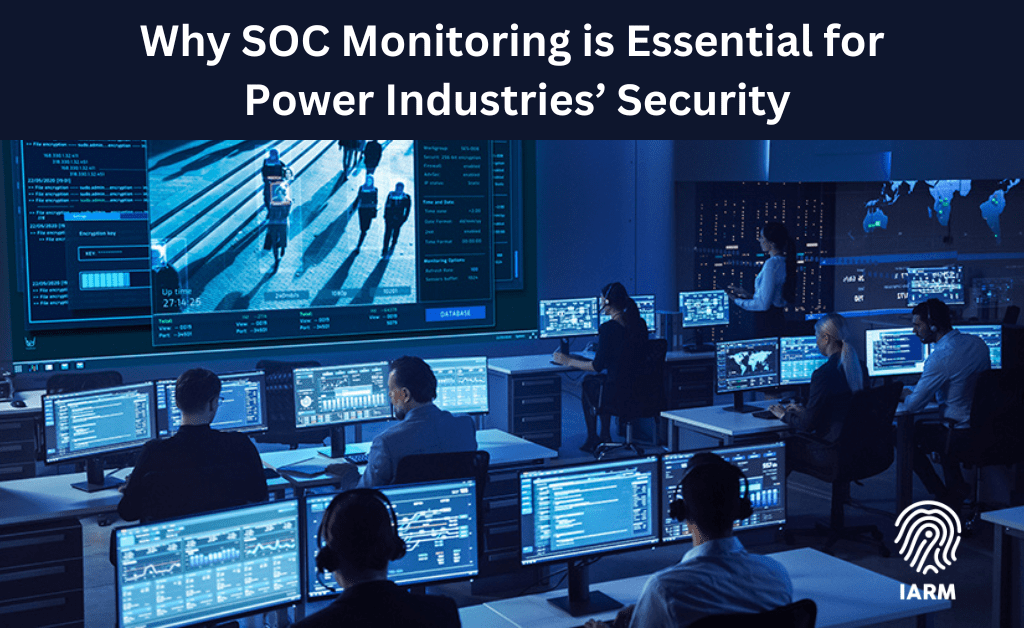
Why SOC Monitoring is Essential for Power Industries’


In an era of digital threats, power companies must fortify defenses. Discover the critical role of SOC Monitoring Services and the advantages brought by SOC as a Service providers.

Introduction:

Power companies are facing unprecedented challenges in safeguarding their critical infrastructure from cyber threats. As technology evolves, so do the risks associated with it. To ensure robust security, power companies are turning to SOC Monitoring Services, with the support of dedicated SOC as a Service providers.

The Power of SOC Monitoring:

SOC Monitoring Services play a pivotal role in identifying and mitigating cyber threats in real-time. These services provide a proactive approach to security, constantly analyzing data, detecting anomalies, and responding swiftly to potential breaches. This level of vigilance is crucial for power companies that operate in a digital landscape where cyberattacks are becoming increasingly sophisticated.

Why SOC as a Service Matters:

Partnering with a SOC as a Service company brings additional layers of expertise and resources to the table. These specialized providers offer scalable solutions tailored to the unique needs of power companies. From 24/7 monitoring to incident response, SOC as a Service providers empower power companies to enhance their security posture without the need for extensive in-house resources.

Key Benefits for Power Companies:

Real-time Threat Detection: SOC Monitoring Services enable power companies to identify and address potential threats before they escalate.

24/7 Vigilance: With continuous monitoring, power companies receive round-the-clock protection against evolving cyber threats.

Efficient Incident Response: SOC as a Service providers streamline incident response, minimizing the impact of cybersecurity incidents on operations.

Scalable Solutions: SOC as a Service ensures that power companies can scale their security measures based on their evolving needs and potential risks.

Conclusion:

In conclusion, the integration of SOC Monitoring Services, supported by SOC as a Service providers, is essential for power companies aiming to enhance their security in the digital age. The proactive approach, real-time threat detection, and 24/7 vigilance offered by these services contribute significantly to the overall resilience of power infrastructure.

Thanks and Regards,

Priya – IARM Information Security

SOC as a Service Provider ||  SOC Service Vendor || SOC Monitoring Service

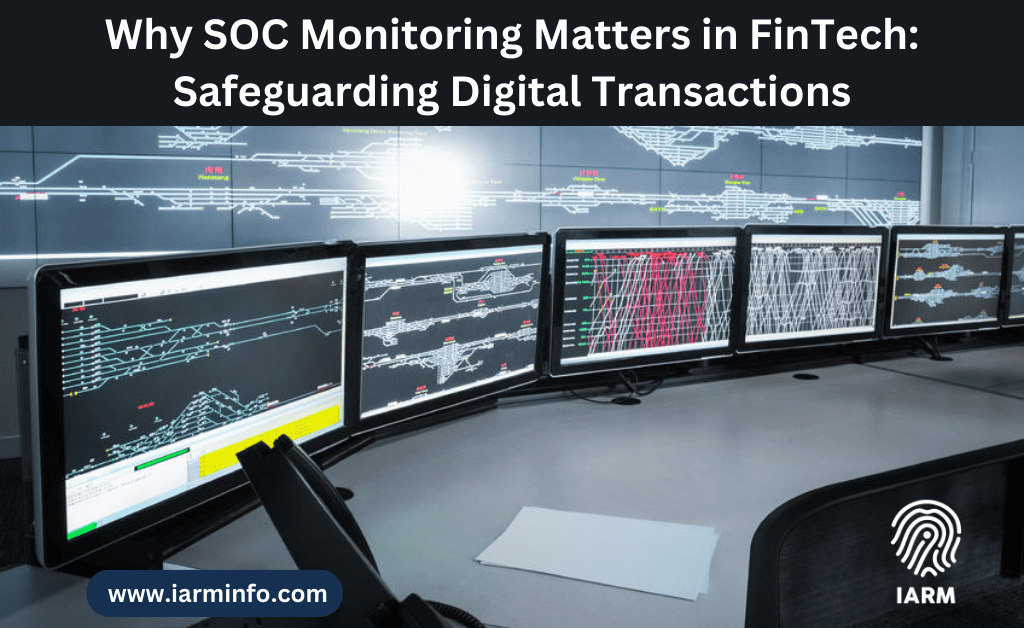
Why SOC Monitoring Matters in FinTech: Safeguarding Digital Transactions


In the fast-paced realm of FinTech, the significance of Security Operations Center (SOC) Monitoring cannot be overstated. As financial transactions increasingly shift towards digital platforms, the need for robust cybersecurity measures becomes paramount. This is where SOC as a Service, provided by specialized SOC service providers, plays a pivotal role.

Understanding SOC Monitoring in FinTech

Financial institutions face a constant barrage of cyber threats, ranging from phishing attacks to sophisticated malware. SOC Monitoring is a proactive approach that involves 24/7 surveillance of digital ecosystems, identifying and mitigating potential threats before they can compromise sensitive financial data.

The Role of SOC as a Service

SOC as a Service is a strategic outsourcing solution that allows FinTech companies to leverage the expertise of dedicated SOC service providers. These specialized companies offer comprehensive monitoring, threat detection, and incident response services, ensuring a robust defense against cyber threats.

Key Benefits of SOC Monitoring in FinTech

Early Threat Detection: SOC Monitoring enables the identification of potential threats in their early stages, preventing them from evolving into more significant security breaches.

Real-time Incident Response: With 24/7 monitoring, SOC services provide real-time incident response, minimizing the impact of security incidents on digital transactions.

Regulatory Compliance: FinTech companies must adhere to strict regulatory standards. SOC Monitoring ensures compliance with industry regulations, safeguarding against legal and financial repercussions.

Choosing the Right SOC as a Service Company

Selecting a reliable SOC as a service company is crucial for effective cybersecurity. Look for providers with a track record of success, a proactive approach to threat intelligence, and a commitment to staying ahead of evolving cyber threats.

Conclusion

In the rapidly evolving landscape of digital finance, SOC Monitoring stands as a cornerstone for safeguarding digital transactions. The adoption of SOC as a Service ensures that FinTech companies have a dedicated team of experts consistently monitoring and responding to potential cyber threats.

Thanks and Regards,

Priya – IARM Information Security

SOC as a Service Provider ||  SOC Service Vendor || SOC Monitoring Service

Design a site like this with WordPress.com
Get started