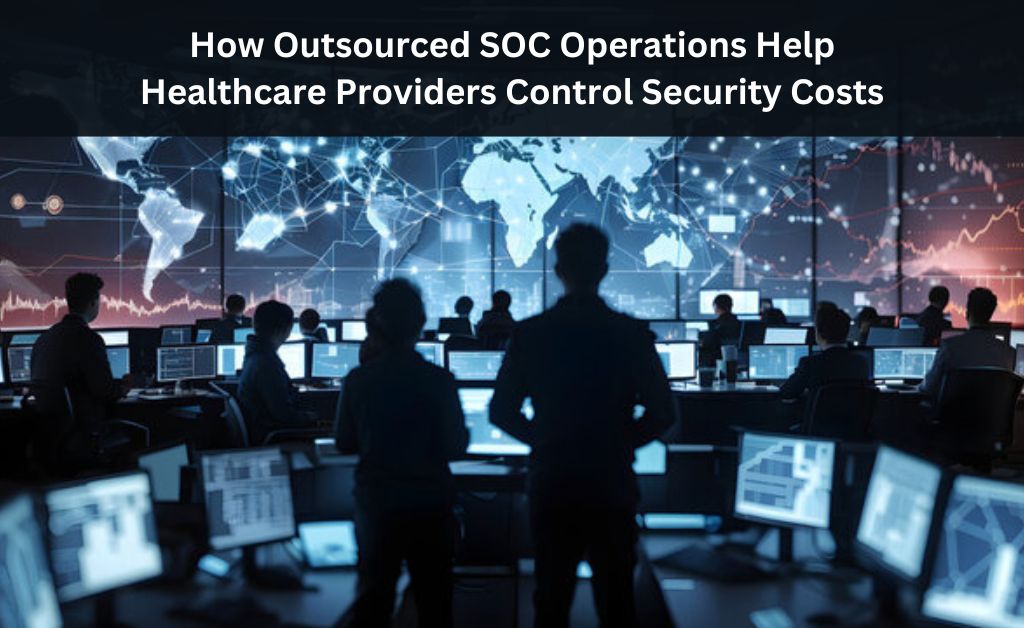
How Outsourced SOC Operations Help Healthcare Providers Control Security Costs


In the healthcare sector, ensuring robust security measures while managing costs can be a challenging task. Outsourcing Security Operations Center (SOC) operations offers a strategic solution to control security expenses without compromising on the quality of protection. Here’s how SOC operation outsourcing benefits healthcare providers in terms of cost management.

Reducing Infrastructure Costs
Establishing an in-house SOC requires substantial investments in infrastructure, including hardware, software, and dedicated physical space. By outsourcing SOC operations, healthcare providers can eliminate these upfront costs. Outsourced SOCs come equipped with state-of-the-art technology and facilities, allowing healthcare organizations to leverage advanced security capabilities without the associated capital expenditure.

Access to Expertise without High Salaries
Hiring and retaining skilled security professionals is expensive, especially in the competitive cybersecurity job market. Outsourcing SOC operations provides healthcare providers with access to a team of experienced security experts at a fraction of the cost of maintaining an in-house team. This model allows organizations to benefit from high-level expertise and continuous security monitoring without bearing the burden of high salaries and ongoing training expenses.

Scalable Security Solutions
Healthcare organizations often face fluctuating security needs, especially with varying patient loads and evolving cyber threats. Outsourced SOC operations offer scalable solutions that can be adjusted according to the organization’s requirements. This flexibility ensures that healthcare providers only pay for the services they need, avoiding the unnecessary costs associated with over-provisioned in-house SOC resources.

Enhanced Efficiency and Focus
By outsourcing SOC operations, healthcare providers can focus their resources and attention on their core mission of delivering quality patient care. This shift allows internal IT teams to concentrate on strategic initiatives and system improvements rather than being bogged down by daily security management tasks. As a result, operational efficiency is enhanced, leading to better allocation of resources and cost savings.

Improved Compliance Management
Maintaining compliance with healthcare regulations like HIPAA is crucial but can be resource-intensive. Outsourced SOC providers are well-versed in regulatory requirements and can ensure that security measures are compliant, reducing the risk of costly fines and legal issues. This proactive compliance management helps healthcare providers avoid financial penalties and reputational damage, further controlling security costs.

In conclusion, outsourcing SOC operations presents a cost-effective solution for healthcare providers to manage their security needs. By reducing infrastructure costs, accessing expert talent, offering scalable solutions, enhancing efficiency, and improving compliance management, SOC operation outsourcing allows healthcare organizations to control security expenses while maintaining robust protection.

Thanks and Regards,
Priya – IARM Information Security
SOC Operation Outsourcing || Low Cost SOC Operation || India-Based 24/7 SOC Operation
Why Managed Security Services Are Essential for Healthcare Encryption Practices


In the ever-evolving world of healthcare, data protection is paramount. As organizations handle sensitive patient information, encryption becomes a critical component of safeguarding data. Managed Security Services (MSS) play a pivotal role in ensuring effective encryption practices, providing healthcare organizations with robust solutions to protect their data.

Comprehensive Encryption Management
Managed Security Services offer specialized expertise in managing and implementing encryption protocols. They help healthcare organizations establish and maintain encryption across various systems, including patient records, communication channels, and data storage. By leveraging MSS, healthcare providers ensure that their encryption practices meet industry standards and regulatory requirements, such as HIPAA.

Proactive Threat Detection
One of the key advantages of MSS is proactive threat detection. Managed Security Providers continuously monitor network traffic and data access to identify potential vulnerabilities and threats. This proactive approach ensures that any weaknesses in encryption protocols are swiftly addressed, minimizing the risk of data breaches and unauthorized access.

Compliance and Regulation Support
Healthcare organizations must adhere to strict compliance and regulatory standards regarding data protection. MSS providers offer valuable support in navigating these complex regulations, ensuring that encryption practices align with legal requirements. They assist with regular audits and assessments, providing peace of mind that encryption measures are both effective and compliant.

Scalable Solutions
The scalability of Managed Security Services allows healthcare organizations to adapt their encryption strategies as their needs evolve. Whether dealing with increasing volumes of patient data or integrating new technologies, MSS providers offer flexible solutions that can grow with the organization. This scalability ensures that encryption practices remain robust and effective in the face of changing demands.

In conclusion, Managed Security Services are indispensable for healthcare organizations striving to uphold the highest standards of data encryption. By offering expert management, proactive threat detection, compliance support, and scalable solutions, MSS providers play a crucial role in safeguarding sensitive patient information and maintaining trust in the healthcare system.

Thanks and Regards, 
Priya – IARM Information Security 
Managed Security Services || Outsource Cybersecurity Services || Outsource Security Experts 

Enhancing Patient Trust through Managed Security Services in Healthcare


In an era where data breaches and cyber threats are increasingly common, healthcare organizations must prioritize the security of patient information. Managed Security Services (MSS) play a crucial role in fortifying these defenses and, consequently, in enhancing patient trust.

Robust Data Protection
Managed Security Services offer advanced data protection solutions that go beyond standard security measures. With MSS, healthcare providers benefit from continuous monitoring and real-time threat detection, ensuring that sensitive patient data is safeguarded against unauthorized access and breaches. This proactive approach helps maintain the integrity of patient records and reinforces trust in the healthcare provider’s commitment to data security.

Compliance Assurance
Healthcare organizations must adhere to stringent regulations such as HIPAA to ensure patient data is handled with the utmost care. MSS providers are well-versed in these compliance requirements and offer solutions that not only meet regulatory standards but also simplify compliance management. By outsourcing security operations to MSS providers, healthcare organizations can focus on delivering quality care while ensuring they meet all necessary compliance requirements.

Incident Response and Recovery
In the event of a security incident, Managed Security Services offer rapid response and recovery capabilities. MSS providers have the expertise and resources to quickly address and mitigate the impact of cyber threats. This capability not only helps in minimizing disruptions to patient care but also reassures patients that their data is in safe hands.

Enhancing Patient Confidence
Ultimately, the implementation of Managed Security Services builds patient confidence. Knowing that their personal health information is protected by advanced security measures and that the organization is compliant with regulations helps patients feel secure. This trust is essential for fostering long-term relationships and ensuring patient satisfaction.

In conclusion, Managed Security Services are indispensable in enhancing patient trust. By ensuring robust data protection, compliance, and rapid incident response, MSS providers help healthcare organizations maintain the highest standards of security and patient confidence.

Thanks and Regards, 
Priya – IARM Information Security 
Managed Security Services || Outsource Cybersecurity Services || Outsource Security Experts 

How Medical Device Security Enhances Brand Reputation


Introduction
In an era where healthcare is increasingly digitalized, the security of medical devices has become paramount. Ensuring robust embedded systems security and medical device security not only safeguards patient health but also plays a crucial role in enhancing a healthcare provider’s brand reputation.

Ensuring Patient Safety
Medical device security goes beyond protecting data; it directly impacts patient safety. By implementing stringent security measures within embedded systems, healthcare providers mitigate the risk of cyber threats compromising device functionality. This proactive approach demonstrates a commitment to patient safety, reinforcing trust in the brand.

Compliance and Trust
Adhering to regulatory standards such as FDA guidelines and HIPAA regulations is mandatory in healthcare. Robust security practices ensure compliance, reassuring patients and stakeholders that their sensitive information is protected. Compliance enhances trust, positioning the healthcare provider as a reliable custodian of patient data and medical device integrity.

Mitigating Operational Risks
Cyberattacks on medical devices can disrupt healthcare operations, leading to downtime, compromised patient care, and financial losses. By investing in robust security frameworks for embedded systems, healthcare providers mitigate operational risks. This resilience in operations is crucial for maintaining continuity of care and safeguarding the provider’s reputation during crises.

Enhancing Innovation and Market Leadership
Proactively addressing medical device security fosters a culture of innovation. Healthcare providers known for prioritizing security are more likely to attract partnerships and collaborations with technology innovators. This proactive stance not only enhances product development but also reinforces the provider’s market leadership and reputation for cutting-edge healthcare solutions.

Conclusion
In conclusion, investing in embedded systems security and medical device security is not just a regulatory requirement but a strategic imperative for healthcare providers. It safeguards patient safety, ensures compliance, mitigates operational risks, and enhances innovation. Ultimately, these efforts bolster brand reputation, positioning the provider as a trusted leader in delivering secure and reliable healthcare solutions.

By prioritizing medical device security, healthcare providers not only protect their patients but also safeguard their own brand reputation in an increasingly digital and interconnected healthcare landscape.

Thanks and Regards,
Priya – IARM Information Security
IoT Products Security || Medical Device Security || Embedded Systems Security

Why Device Identity Management is Critical for Medical Device Security


In the evolving landscape of healthcare, the security of medical devices has become paramount. As more devices connect to networks, ensuring their integrity and safety is crucial. One of the most effective ways to achieve this is through Device Identity Management (DIM).

Understanding Device Identity Management
Device Identity Management involves the unique identification of each medical device within a healthcare environment. This process ensures that every device is authenticated and verified before it can communicate with other systems or networks. By assigning unique identities, healthcare providers can monitor and manage devices more effectively, reducing the risk of unauthorized access.

Enhancing Embedded Systems Security
Medical devices often rely on embedded systems, which can be particularly vulnerable to cyber threats. Effective DIM helps enhance embedded systems security by implementing stringent access controls. With robust authentication protocols, only authorized personnel and systems can interact with medical devices, significantly mitigating the risks of data breaches and malicious attacks.

Ensuring Compliance and Trust
Regulatory compliance is a significant concern for healthcare organizations. By implementing Device Identity Management, organizations can demonstrate adherence to industry standards, such as HIPAA and NIST. This not only builds trust with patients and stakeholders but also safeguards sensitive health information.

Conclusion
In an age where cyber threats are increasingly sophisticated, Device Identity Management is no longer optional; it is a critical component of medical device security. By focusing on the identity and integrity of devices, healthcare organizations can protect both their assets and their patients, ensuring a safer environment for all.

Thanks and Regards,
Priya – IARM Information Security
IoT Products Security || Medical Device Security || Embedded Systems Security

Why Patch Management is Crucial for Medical Device Security


In the ever-evolving landscape of healthcare technology, ensuring the security of medical devices has become paramount. With the rise of cyber threats, effective patch management is a vital strategy for enhancing Embedded Systems Security and safeguarding Medical Device Security.

Understanding Patch Management
Patch management involves the regular updating and fixing of software and firmware vulnerabilities in medical devices. These updates can address security flaws, improve performance, and ensure compliance with regulatory standards. In an industry where patient safety is critical, neglecting patch management can have dire consequences.

Mitigating Cyber Threats
Cybercriminals are increasingly targeting healthcare systems, exploiting outdated software in medical devices. Regularly applying patches helps to close security gaps, reducing the risk of breaches that can compromise sensitive patient data and disrupt healthcare operations. By maintaining an up-to-date environment, healthcare organizations can significantly enhance their defense against cyberattacks.

Ensuring Compliance
Regulatory bodies, such as the FDA, mandate that healthcare providers implement robust security measures for medical devices. Effective patch management is essential for compliance, as it demonstrates a commitment to safeguarding patient information and upholding industry standards. Failing to adhere to these regulations can result in penalties and damage to a healthcare provider’s reputation.

Conclusion
In summary, patch management is not just an IT task; it is a critical component of Medical Device Security and Embedded Systems Security. By prioritizing regular updates and proactive vulnerability management, healthcare organizations can protect patient safety, enhance operational efficiency, and ensure compliance with regulatory standards. Emphasizing patch management today will lead to a more secure healthcare environment tomorrow.

Thanks and Regards,
Priya – IARM Information Security
IoT Products Security || Medical Device Security || Embedded Systems Security

How Embedded System Security Supports Risk Management in Healthcare 


In the rapidly evolving landscape of healthcare technology, Embedded Systems Security plays a crucial role in safeguarding medical devices and ensuring patient safety. With the increasing reliance on connected devices, effective risk management strategies are essential for healthcare organizations.

The Importance of Embedded Systems Security
Embedded systems are integral to modern medical devices, enabling functionalities that enhance patient care. However, these systems frequently face significant cyber threats. By implementing robust Medical Device Security measures, healthcare providers can protect sensitive data and maintain the integrity of medical operations.

Identifying and Mitigating Risks
Effective risk management begins with identifying potential vulnerabilities within embedded systems. Security frameworks help in assessing risks related to unauthorized access, data breaches, and system failures. By conducting regular security audits and vulnerability assessments, organizations can proactively address weaknesses in their medical devices.

Enhancing Compliance and Trust
Adopting comprehensive Embedded Systems Security not only mitigates risks but also ensures compliance with regulatory standards such as HIPAA. By demonstrating a commitment to security, healthcare organizations can build trust with patients and stakeholders, fostering a secure environment for healthcare delivery.

Continuous Monitoring and Incident Response
To support ongoing risk management, healthcare organizations must implement continuous monitoring of embedded systems. This allows for real-time detection of potential threats and swift incident response. By establishing a robust incident response plan, organizations can minimize the impact of security breaches and protect patient safety.

In conclusion, prioritizing Embedded Systems Security is vital for effective risk management in healthcare. By investing in Medical Device Security, organizations can safeguard their operations and ultimately enhance patient care.

Thanks and Regards,
Priya – IARM Information Security
IoT Products Security || Medical Device Security || Embedded Systems Security

How Managed Security Services Prevent Downtime in Healthcare IT Systems


In the fast-paced world of healthcare, ensuring that IT systems are operational around the clock is paramount. Downtime can lead to delayed treatments, compromised patient safety, and significant financial losses. Managed Security Services (MSS) play a crucial role in preventing such disruptions. Here’s how:

Proactive Monitoring and Threat Detection
Managed Security Services provide continuous monitoring of healthcare IT systems, identifying potential threats before they can cause harm. By employing advanced threat detection technologies and real-time analytics, MSS can detect anomalies and unusual activities that may indicate a cyberattack. This proactive approach helps prevent risks from escalating into major issues.

Rapid Incident Response
In the event of a security breach or system failure, Managed Security Services ensure rapid incident response. MSS teams are equipped with the expertise and tools to quickly contain and remediate threats, minimizing the impact on healthcare operations. Their ability to respond swiftly to incidents helps in reducing downtime and maintaining the continuity of patient care.

Regular System Updates and Patching
Outdated software and unpatched systems often serve as prime targets for cyberattacks. Managed Security Services ensure that all healthcare IT systems are regularly updated and patched to protect against known vulnerabilities. This ongoing maintenance is essential for preventing downtime caused by security breaches and system malfunctions.

Comprehensive Risk Assessments
MSS providers conduct thorough risk assessments to identify potential vulnerabilities in healthcare IT infrastructure. By understanding the unique security needs of healthcare organizations, MSS can implement tailored security measures that fortify systems against downtime-inducing threats. These assessments also help in developing robust disaster recovery plans.

Compliance with Healthcare Regulations
Healthcare organizations must comply with stringent regulations such as HIPAA, which mandate the protection of patient data. Managed Security Services help healthcare providers stay compliant by ensuring that their IT systems meet regulatory requirements. This compliance not only safeguards sensitive information but also prevents downtime caused by non-compliance issues.

Conclusion
Managed Security Services are indispensable for preventing downtime in healthcare IT systems. Through proactive monitoring, rapid incident response, regular updates, risk assessments, and regulatory compliance, MSS providers help healthcare organizations maintain operational continuity and deliver uninterrupted patient care. Investing in Managed Security Services is a strategic move towards a resilient and secure healthcare IT environment.

Thanks and Regards, 
Priya – IARM Information Security 
Managed Security Services || Outsource Cybersecurity Services || Outsource Security Experts 

How OT Security Supports Regulatory Compliance in Industrial Automation


In the dynamic landscape of industrial automation, ensuring regulatory compliance is crucial to maintain operational integrity and mitigate risks. Operational Technology (OT) security plays a pivotal role in achieving and maintaining compliance with industry regulations. Here’s how OT security measures support regulatory adherence:

  1. Understanding Regulatory Requirements
    Regulations such as the NIST Cybersecurity Framework, ISA/IEC 62443, and industry-specific standards outline stringent requirements for securing industrial control systems. OT security frameworks help organizations interpret these requirements and implement necessary controls.
  2. Risk Assessment and Management
    Effective OT security begins with comprehensive risk assessments tailored to the industrial environment. These assessments identify vulnerabilities, assess potential impacts on operations, and prioritize mitigation strategies. By addressing risks proactively, organizations align with regulatory expectations for risk management.
  3. Access Control and Authentication
    Regulatory frameworks emphasize the importance of restricting access to critical systems and data. OT security solutions enforce robust access controls through authentication mechanisms, role-based access policies, and monitoring user activities. This ensures only authorized personnel can modify or access sensitive operational data.
  4. Continuous Monitoring and Incident Response
    Continuous monitoring of industrial networks is essential for early detection of anomalies or potential threats. OT security platforms integrate real-time monitoring capabilities to identify suspicious activities promptly. Coupled with effective incident response plans, organizations can minimize the impact of breaches and meet regulatory requirements for incident reporting.
  5. Documentation and Compliance Reporting
    Regulatory compliance mandates thorough documentation of security measures, audits, and compliance reporting. OT security solutions facilitate documentation processes by automating data collection, generating compliance reports, and maintaining audit trails. This ensures transparency and accountability during regulatory audits.

Conclusion
In conclusion, OT security is not just a necessity for protecting industrial automation systems from cyber threats but also a cornerstone for achieving regulatory compliance. By implementing robust security frameworks, conducting regular assessments, and adopting proactive monitoring practices, organizations can enhance operational resilience while meeting regulatory expectations. Embracing OT security as a strategic initiative not only safeguards critical infrastructure but also strengthens trust among stakeholders and regulatory bodies.

By prioritizing OT security, industrial automation sectors can navigate regulatory complexities with confidence, ensuring sustained compliance and operational continuity in today’s interconnected digital landscape.

Thanks and Regards,
Priya – IARM Information Security
Industrial Security || OT Security || SCADA Security

5 Ways Embedded System Security Enhances Medical Device Usability


Embedded systems in medical devices play a crucial role in modern healthcare, providing essential functionalities that directly impact patient care and treatment outcomes. Ensuring the security of these embedded systems is not just about safeguarding data but also about enhancing overall device usability and reliability. Here are five key ways embedded system security contributes to improving medical device usability:

  1. Enhanced Patient Safety
    Security measures such as authentication protocols and data encryption help prevent unauthorized access to medical devices. This ensures that only authorized healthcare professionals can operate the devices, reducing the risk of misuse or tampering that could compromise patient safety.
  2. Seamless Integration with Healthcare Networks
    Secure embedded systems facilitate seamless integration with hospital networks and electronic health records (EHR) systems. By complying with industry standards for data security, medical devices can exchange information securely, supporting more efficient workflows and enhancing overall healthcare delivery.
  3. Improved Device Reliability
    Robust security measures protect embedded systems from cyber threats such as malware and hacking attempts. This enhances the reliability of medical devices by minimizing the risk of system failures or disruptions due to security breaches. Healthcare providers can rely on these devices to perform consistently and accurately during critical patient care scenarios.
  4. Long-Term Cost Efficiency
    Investing in embedded system security early in the development phase can lead to long-term cost savings for healthcare organizations. Secure devices are less prone to vulnerabilities that could result in costly data breaches or regulatory fines. Moreover, they require less maintenance and support, reducing operational expenses over time.
  5. Regulatory Compliance
    Medical devices must comply with stringent regulatory requirements to ensure patient safety and data protection. Embedded system security helps manufacturers and healthcare providers meet these compliance standards, demonstrating a commitment to patient privacy and regulatory adherence.

In conclusion, embedded system security is integral to enhancing medical device usability by ensuring patient safety, supporting seamless integration, improving reliability, reducing long-term costs, and enabling regulatory compliance. By prioritizing security in the design and implementation of embedded systems, healthcare providers can leverage advanced technologies to deliver safer and more efficient patient care.

Thanks and Regards,
Priya – IARM Information Security
IoT Products Security || Medical Device Security || Embedded Systems Security

Design a site like this with WordPress.com
Get started